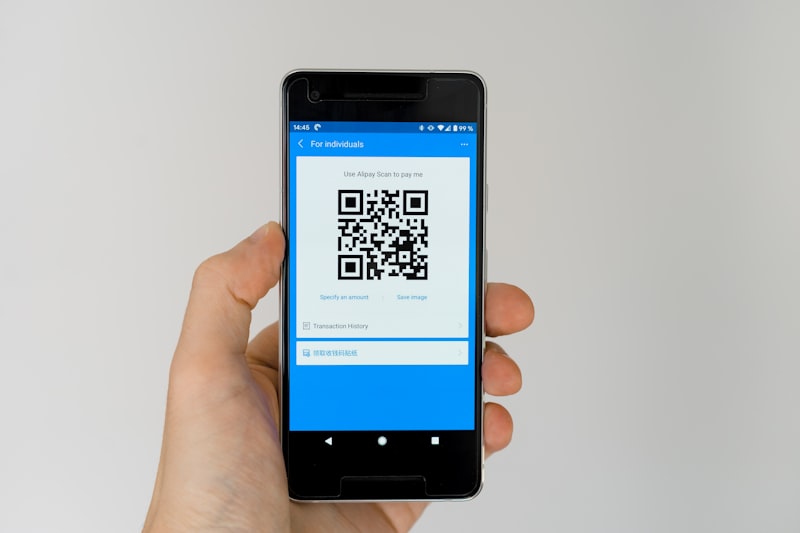
Duplicate Registration Problems at Guest Arrivals: Instant Validation via Digital Guest Book
Chaos at wedding reception entrances often stems from one fundamental issue: attendance data leaks. In event management, this security loophole is frequently exploited through dynamic pass sharing or duplicate barcode scans. When a screenshot of a digital invitation sent via WhatsApp is copied and shared with multiple uninvited friends, manual registration desks are bound to be compromised.
Receptionists relying on paper checklists or standalone Excel files on a single laptop have no quick way to track whether a guest name has already crossed the entrance gates minutes earlier. Consequently, table occupancy swells, premium souvenir stocks run out early, and hosts face unexpected catering bills. An online Digital Guest Book that locks check-in status instantly seals this operational risk completely.
The Real Risks of Duplication at Conventional Check-in Desks
Managing the arrival of hundreds of guests in a short time frame requires strict data accuracy. Traditional verification methods suffer from structural flaws because they are static and isolated across different check-in desks.
Three main registration leak scenarios commonly disrupt wedding operations:
Screenshot Sharing: A digital barcode pass sent as a WhatsApp image is easily shared within wider social circles. Without an online central database, uninvited individuals can easily access the ballroom by showing the same image.
Companion Quota Abuse: Guests arriving separately from their main party often claim the maximum companion quota upfront. When the actual invitees arrive later, manual systems cannot verify remaining seats, creating arguments at the registration desk.
Pen and Paper Human Errors: In a crowded reception lobby, busy receptionists can easily cross off the wrong name on printed sheets. Similar-sounding names or adjacent lines lead to inaccurate attendance tallies, complicating post-event logistics.
Check-in Security and Data Protection Comparison
Here is a comparison showing how the Buku Tamu by einvite.id system secures arrivals compared to manual registers:
Security Parameter
Manual Paper Lists
eInvite Digital Guest Book
Single Barcode Protection
None (images can be shown repeatedly)
Strict one-time entry pass rules (One-Time Pass)
Companion Limit Control
Relies on usher memory or pen marks
Locked dynamically by online RSVP records
Duplicate Entry Blocker
Impossible to enforce across different desks
Instant cross-gate locking (Multi-Gate Lock)
Alert Mechanisms
Undetected until post-event audits
Automatic red warning bar on mobile scanner screens
Data Security
Risk of misplaced, wet, or lost papers
Secure online cloud database synchronization
How Multi-Gate Locking Blocks Duplicate Entry Passes
For large weddings with multiple entrance gates, preventing one barcode from being scanned at Gate A and then reused seconds later at Gate B is a major operational challenge.
eInvite resolves this synchronization issue with a live online database connection. The moment a guest pass successfully scans and confirms entry at Gate A, their status updates to "checked-in" across all active scanner devices in less than a second.
If that same barcode is presented at Gate B, the receptionist\'s scanner app triggers an internal alarm and displays a red banner: "Guest Already Checked In - Duplicate Scan Detected". Planners get exact timestamps showing when the guest first checked in and which gate processed the scan. This perimeter security protects premium souvenirs and your catering budget from uninvited entries.
Flawless Post-Event Attendance Reports
The main benefit of a secure, anti-duplicate entry system is clean reports immediately after the event. Planners do not need to spend hours after the reception matching paper logs with physical souvenir inventories.
From the Reports dashboard, organizers can download a clean Excel sheet detailing guest names, unique codes, RSVP statuses, actual companions checked in, and the specific gate staff who scanned each pass. Clean, audit-ready data ensures a professional review session with the wedding hosts.
Want Your Event to Run Flawlessly & Elegantly?
Consult your digital guestbook and entrance registration needs for weddings or seminars with our expert team for free via WhatsApp.