Long Lines at Wedding Guest Arrivals? Speed Up Gate Flow with QR Check-in
The registration table on the big day is often where wedding vibes go wrong. A classic field problem is a long queue of guests at the reception lobby, stretching far outside the entrance gates. When hundreds of invitees arrive simultaneously within a narrow 30-minute window, manual paper checklists are simply too slow to keep up with the arrival pace.
Flipping sheets of paper to find a single guest name takes between 20 and 40 seconds per invitee. This delay increases if the spelling on the paper differs from the name spoken by the guest. A Digital Guest Book with instant entry code scans slashes this entire process to under 3 seconds per guest. This article outlines how upgrading your check-in flow secures the credibility of the Wedding Organizer and ensures a first-class VIP experience for your guests.
Why Manual Registries Always Cause Arrivals Congestion
In premium hospitality event management, the first 5 minutes define the guest's perception of the entire celebration. Registration queueing is not just an aesthetic issue of a crowded entrance area, but a real threat to the overall wedding timeline.
There are three main operational challenges that occur if your field team still relies on paper sheets:
Spelling and Pronunciation Bottlenecks: In a noisy lobby, ushers often mishear spoken names. They waste valuable time flipping through alphabetic sheets, only to find the guest was listed under a nickname rather than their formal name.
Lack of Companion Quota Validation: Paper registries cannot dynamically limit how many companions a guest is allowed to bring. Guests often bring extra companions beyond their RSVP quota, which staff cannot easily track or prevent on paper.
Delayed Attendance Stats: Hosts and catering managers have no real-time visibility into food plate usage. They are forced to wait for manual headcounts compiled using pens and calculators long after registration closes.
Check-in Processing Speed Comparison
To understand the operational impact of instant digital scans, here is a comparison of manual paper lists versus the Buku Tamu by einvite.id system:
Metric
Manual Paper Lists
eInvite QR Check-in
Processing Time Per Guest
20 – 45 seconds per guest
< 3 seconds per scan
Gate Capacity Limit
Max 80 guests/hour per gate
Up to 1,200 guests/hour per gate
Search Accuracy
Prone to spelling mishearings
100% accurate unique pass match
Companion Limit Control
Relies on memory or manual checks
Locked dynamically by online system
Attendance Report Update
Manual recap after the event
Real-time instant cloud updates
How QR Code Integrations Secure Wedding Arrivals
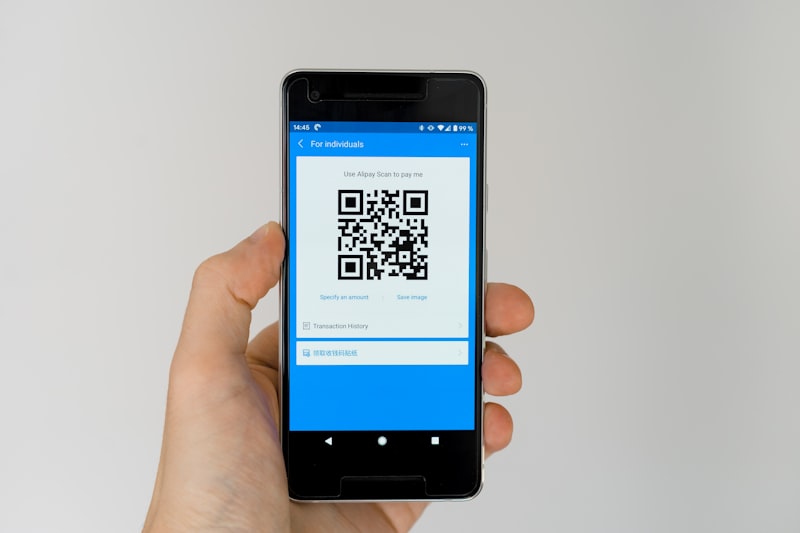
The Digital Guest Book connects the pre-loaded guest database with mobile scanner apps on the event day. Guests who confirm their RSVP online receive a personal QR Code entry pass. This pass is sent directly to their WhatsApp number or embedded in their digital invitation page.
Upon arrival, receptionists do not need to carry bulky laptops or clipboards. They simply open the scanner app on their smartphones. The app quickly reads the code from the guest's mobile screen.
The scanning engine is optimized to work instantly, even in dim ballroom lighting. Within milliseconds, the guest is marked present in the central database. If the guest has companion limits, the app reads and updates the quota automatically, ensuring entries stay compliant with the floor plan.
Preventing Duplicates and Gift Station Leakages
One of the worst scenarios for wedding planners is ticket sharing or duplicate scanning. Without a secure check-in flow, guests could screenshot their QR passes and share them with uninvited friends, leading to extra gift redemptions or catering overrun costs.
eInvite addresses this with strict anti-duplication rules. The attendance write mechanism is locked: the moment a guest pass is scanned, its status is updated to "checked-in" in the central server.
If the same code is scanned again—at the same door or at a different check-in gate—the app rejects the scan and displays a red warning stating the guest has already checked in, along with their first check-in timestamp. This mechanism stops gift station fraud and protects your wedding budget.
Track Guest Flow via Real-Time Dashboards
The biggest benefit of digital registers is live data visibility during the event. The dashboard feeds updates directly from all active scanner devices in the lobby.
Hosts, wedding coordinators, and catering staff can monitor arrival trends minute-by-minute without interrupting gate staff. The dashboard displays the percentage of checked-in guests, souvenir stock remaining, and VIP arrival counts. This information helps catering teams time food service perfectly, ensuring main courses are served fresh when the room reaches target occupancy.
Want Your Event to Run Flawlessly & Elegantly?
Consult your digital guestbook and entrance registration needs for weddings or seminars with our expert team for free via WhatsApp.